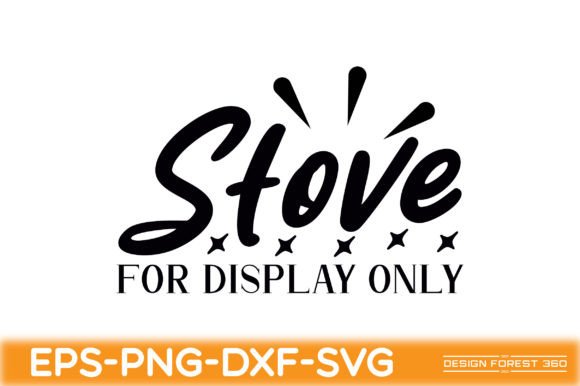
Stove for Display Only Graphics and Crafts Review
As a digital publisher who spends hours tweaking CSS and curating visual assets, I know that the difference between a good blog post and a high-performing content piece often comes down to design. We are not just writing words; we are building an experience. When I first encountered the Stove for Display Only graphic design asset, my immediate reaction was one of cautious optimism. In a market saturated with generic clipart, finding a design element that balances editorial quality with commercial viability is rare. This review breaks down how this specific asset fits into a real-world publishing workflow, from affiliate marketing pages to downloadable lead magnets.
The First Impression: Editorial Mood and Niche Fit
The name "Stove for Display Only" suggests a decorative, perhaps vintage or rustic aesthetic. For a blogger in the home decor, DIY crafts, or lifestyle niche, this visual cue is powerful. It immediately sets a tone that is warm, inviting, and tactile. Unlike sterile corporate icons, this asset feels like it belongs in a cozy kitchen or a creative studio. It supports a narrative of comfort and craftsmanship, which resonates deeply with readers looking for inspiration rather than just information.
From a visual hierarchy standpoint, the design likely serves as a strong anchor point. Whether used as a header accent or a thumbnail icon, it draws the eye without overwhelming the text. This is crucial for content marketing, where you want to guide the reader’s attention naturally toward your call-to-action (CTA) or key takeaway. The asset does not scream for attention; it whispers, creating a sense of curated elegance that enhances reader trust.
Integrating Assets into Real Publishing Workflows
In my daily work, I rarely use a single image in isolation. A graphic design asset must be versatile enough to survive the rigors of multi-platform distribution. Here is how Stove for Display Only can be integrated into various stages of content creation:
- Blog Featured Images: Use the asset as a subtle overlay or corner accent on hero images. This adds depth and makes the post stand out in social media feeds.
- Pinterest Pins: Pinterest is a visual search engine. A clean, high-contrast graphic like this can serve as a background texture or a central focal point for infographics, driving higher click-through rates.
- Newsletter Headers: Email open rates depend heavily on subject lines, but click rates depend on the body design. Placing this asset at the top of a newsletter establishes brand consistency and signals quality before the reader even scans the text.
- Digital Guides and eBooks: For lead magnet creation, such as a printable recipe book or a DIY craft guide, this asset can be used on the cover page to define the theme instantly.
- Affiliate Content Visuals: When reviewing products related to home goods or cooking, using this asset alongside product shots creates a cohesive editorial layout that feels less like an ad and more like a recommendation.
Boosting Performance Through Visual Consistency
One of the biggest challenges for small business owners and creative entrepreneurs is maintaining a brand identity across disparate channels. Using a consistent set of design assets helps solve this. By incorporating Stove for Display Only into your visual system, you create a recognizable pattern. Readers begin to associate that specific style with your voice.
This consistency leads to better performance metrics. A polished website with professional-grade graphics reduces bounce rates because visitors feel they are in a trustworthy environment. Furthermore, when designing for mobile, where screen space is limited, a well-crafted vector graphic ensures that your message remains clear even at smaller sizes. This is essential for web design optimization, ensuring that your site looks good on every device.
Where This Asset Shines and Where to Exercise Caution
To get the most out of this purchase, you must understand its strengths and limitations. The asset works best in environments that allow for breathing room. It excels as an editorial accent in wide-format layouts, such as desktop headers or full-width banner ads. It also performs well in printable designs where resolution is paramount.
However, there are places where you should use this asset carefully. Avoid placing it in low-contrast backgrounds, such as light gray or white, if the design elements are thin or dark. This can make the graphic disappear, leading to a broken visual experience. Additionally, be mindful of busy layouts. If your blog post already contains many images, charts, and bold typography, adding another decorative element can clutter the page and distract from the core message.
For serious professional niches, such as legal advice or financial consulting, this asset might feel too playful or decorative. In those cases, a more minimalist approach is usually preferred. Similarly, in small business branding for tech startups, a stove-themed graphic may clash with a modern, sleek aesthetic. Always consider the context of your audience before deploying the asset.
Technical Specifications and Publisher Notes
The value of any digital download lies in its technical specifications. The package includes an INCLUDED zipped folder containing 1 SVG. 1 DXF. 1 EPS. 1 PNG. transparent background, 300 dpi thank you. Let’s break down why these formats matter for a publisher:
- SVG (Scalable Vector Graphics): This is the gold standard for web design. SVGs scale infinitely without losing quality, making them perfect for responsive websites. You can resize the stove graphic from a tiny favicon to a massive hero banner without pixelation.
- EPS (Encapsulated PostScript): Ideal for professional printing. If you plan to turn your digital guides into physical books or printables, the EPS file ensures crisp output at any size.
- PNG (Portable Network Graphics): With a transparent background and 300 dpi resolution, the PNG is ready for high-quality digital use. It allows you to layer the graphic over other images or colors seamlessly.
- DXF (Drawing Exchange Format): While primarily used for cutting machines, this format confirms the precision of the vector paths, useful if you ever need to send the design to a manufacturer.
Before using these files, I recommend testing them on both desktop and mobile screens. Check how the PNG renders as a thumbnail in search results. Preview the SVG inside your actual blog layout to ensure it integrates smoothly with your CSS. Test the contrast by placing the graphic against different background colors. Try pairing it with various font styles—serif fonts for a classic look, sans serif for modern clarity, or script fonts for a personal touch. Finally, always check the file size for web performance; compress large PNGs to ensure your page load times remain fast.
Final Verdict for Digital Creators
Stove for Display Only is more than just a clipart image; it is a tool for enhancing editorial design. For bloggers, designers, and content creators looking to elevate their social media graphics and website headers, this asset offers versatility and quality. It supports a warm, lifestyle-focused narrative that can significantly improve the perceived value of your content.
Whether you are building a Canva template for your followers, creating a digital guide for your email list, or simply polishing your affiliate marketing pages, this graphic design asset provides the finishing touch that professional publishers demand. Just remember to respect the visual hierarchy, test your implementation, and confirm your commercial license usage rights. When used thoughtfully, it transforms ordinary posts into compelling visual stories that engage and retain your audience.