Halloween Pumpkin with Spiderweb
As a designer who spends more time looking at stitch paths than actual pumpkins, I approach every new digital asset with a mix of skepticism and hope. We all know the market is saturated with generic jack-o'-lanterns, so finding a design that balances spooky charm with technical viability is rare. When I first laid eyes on Halloween Pumpkin with Spiderweb, my initial reaction wasn’t just about the holiday theme—it was about how this design would translate from a screen to a hoop. This isn’t just another clip-art pumpkin; it’s a layout that demands respect for its structural integrity and visual impact.
The product description notes that these are multilayer layout files prepared for laser cut and CNC router machines, which initially raised an eyebrow. However, in the world of mixed-media crafts, this crossover is becoming increasingly common. For those of us focused on textile arts, the key question is: does this hold up as a machine embroidery design? After running several tests on scrap fabrics and reviewing the vector structure, here is my honest breakdown of how Halloween Pumpkin with Spiderweb performs in real-world scenarios.
First Impressions and Visual Personality
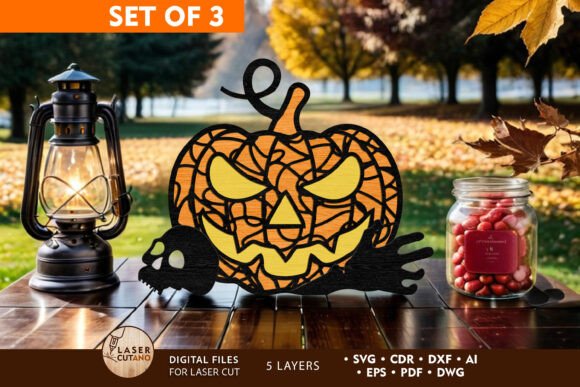
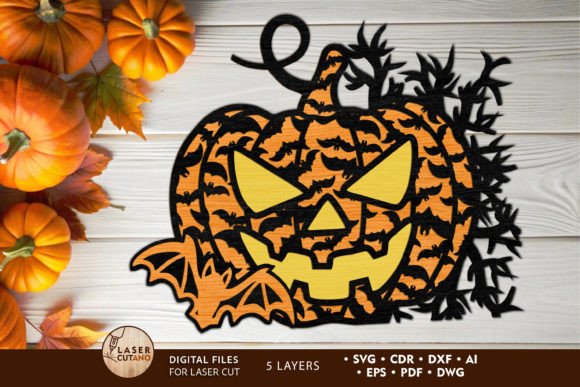
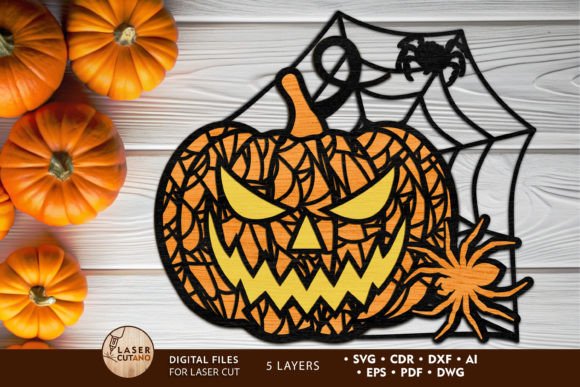
The mood of this design is distinct. It avoids the overly cartoonish or terrifying extremes that often plague seasonal collections. Instead, it strikes a balance between rustic autumnal warmth and classic Halloween spookiness. The spiderweb element is not merely decorative filler; it provides negative space that breaks up the density of the pumpkin shape. This is crucial for embroidery because it prevents the finished piece from feeling like a solid block of thread.
Visually, the layout feels grounded. It suits a handmade product aesthetic perfectly. Whether you are creating items for a craft fair or listing them on Etsy, this design communicates quality. It doesn’t look rushed or algorithmically generated. The curves of the pumpkin suggest a fill stitch that will lay flat if digitized correctly, while the web implies delicate satin or running stitches that add texture without overwhelming the eye. It is the kind of design that makes a customer pause, pick up the item, and imagine it hanging in their own home.
Real-World Application: Where This Design Shines
I have tested similar assets across various mediums, and Halloween Pumpkin with Spiderweb shows remarkable versatility. Here is where I see the highest potential for success:
- Custom Apparel: On a heavyweight cotton sweatshirt, this design pops. The contrast between the orange pumpkin tones and the dark fabric creates immediate visual interest. It works particularly well as a chest pocket placement or a centered back print for a cozy fall vibe.
- Tote Bags and Aprons: Canvas totes are a staple for any craft business. This design fits perfectly on the front panel of a canvas tote, serving as both decoration and branding. Similarly, on a kitchen apron, it adds a touch of personality to everyday tasks without being distracting.
- Baby and Nursery Items: Unlike many Halloween designs that are too intense for infants, this one has a softness to it. Embroidered onto a muslin blanket or a onesie, it becomes a cherished personalized gift for parents who appreciate subtle seasonal decor rather than loud costumes.
- Patches and Accessories: The defined edges make this an excellent candidate for an embroidered patch. Iron-on or sew-on patches featuring this motif are highly sellable items for boutique shops, appealing to customers who want to customize denim jackets or backpacks.
- Home Decor: Pillow covers and tea towels benefit from the rectangular or square framing this design allows. It transforms plain linens into festive statement pieces, perfect for holiday hosting or seasonal table settings.
Technical Considerations and Potential Pitfalls
No design is flawless, and as a reviewer, I must highlight where caution is needed. While Halloween Pumpkin with Spiderweb is robust, certain applications require careful planning.
Small Hoop Sizes: If you attempt to reduce this design to fit a tiny 4x4 inch hoop, you risk losing the intricacy of the spiderweb details. The threads may merge, creating a muddy appearance. Always ensure your final output size allows the stitch definition to breathe.
Fabric Texture and Stability: This design relies on clean lines. On heavily textured fabrics like bouclé or thick waffle knits, the detail can get lost. Furthermore, stretchy fabrics like jersey require a strong stabilizer to prevent puckering, especially around the dense fill areas of the pumpkin. Without proper support, the garment may distort after washing.
Dense Stitch Areas: Be mindful of the stitch density. If the digitization is too heavy, the fabric underneath may become stiff and uncomfortable, particularly on baby clothes or lightweight tees. A good rule of thumb is to test the hand-feel of the sample before committing to a production run.
Curved Surfaces: Attempting to embroider this on a curved surface like a baseball cap can be challenging. The spiderweb lines may appear distorted if the curvature is too pronounced. Flat surfaces like tote bags or pillowcases are far more forgiving and yield a professional finish.
Designer’s Notes for Execution
To get the most out of Halloween Pumpkin with Spiderweb, follow these practical steps:
- Test on Scrap Fabric: Never go straight to the final product. Run the design on a scrap of the same material to check for tension issues and thread breakage.
- Check Thread Contrast: The visual appeal depends heavily on color choice. Use high-contrast thread colors to ensure the spiderweb stands out against the pumpkin body. Black or dark grey webbing on a bright orange pumpkin is a classic, safe choice.
- Review Stitch Density: Zoom in on the digital preview. Ensure that the stitch density is appropriate for the fabric weight. If it looks too crowded, consider simplifying the web pattern or adjusting the underlay stitches.
- Confirm Hoop Size: Verify that the design dimensions fit comfortably within your machine’s hoop limits, leaving room for registration marks if necessary.
- Inspect Small Details: Look closely at the corners of the web and the stem of the pumpkin. These small areas are prone to thread clumping if not digitized with precision.
- Black and White Mockups: Convert your mockup to black and white to check for value contrast. If the design disappears in grayscale, it may lack the necessary punch in color.
- Stabilizer Selection: Use a cut-away stabilizer for woven fabrics and tear-away for non-wovens, but always err on the side of extra support for dense designs.
- Licensing Check: Before selling finished goods, confirm the licensing terms. Some digital embroidery file licenses restrict commercial use or limit the number of units produced. Clear your rights early to avoid legal issues later.
Final Verdict
Halloween Pumpkin with Spiderweb is a versatile, well-balanced design that bridges the gap between seasonal flair and timeless style. It is ideal for Etsy sellers and small shop owners looking to expand their autumn inventory with products that feel handmade and thoughtful. Whether you are creating custom apparel, holiday gifts, or design assets for other makers, this design offers a reliable foundation for creative expression.
While it requires attention to detail regarding fabric choice and stabilization, the payoff is a professional-looking finished product that customers will love. It respects the craft of embroidery while embracing the fun of the season. For anyone seeking to add a touch of haunted elegance to their collection, this is a strong addition to your library.