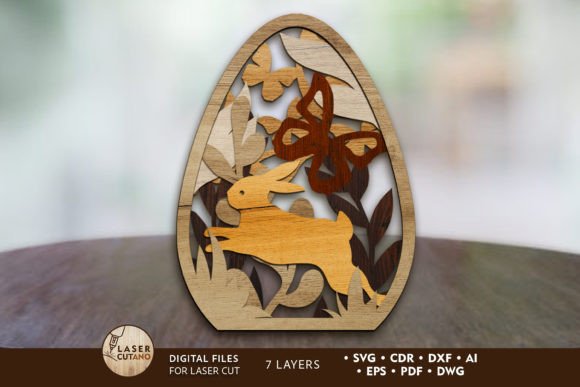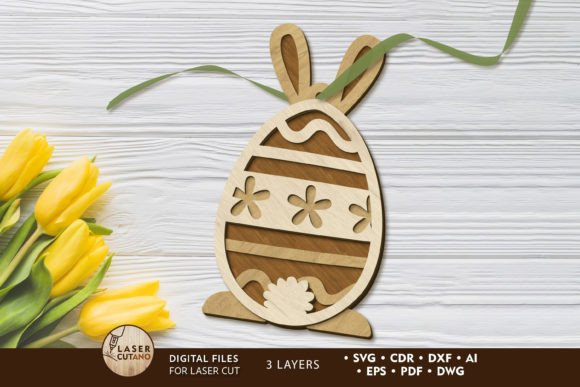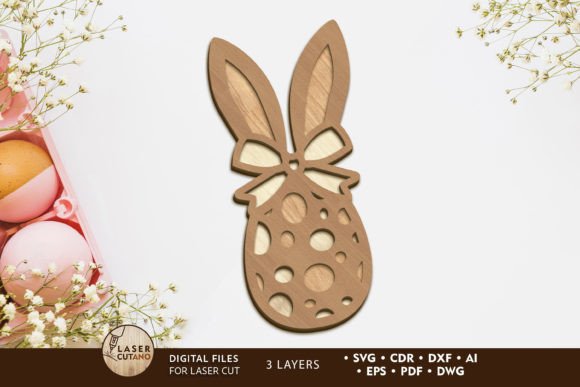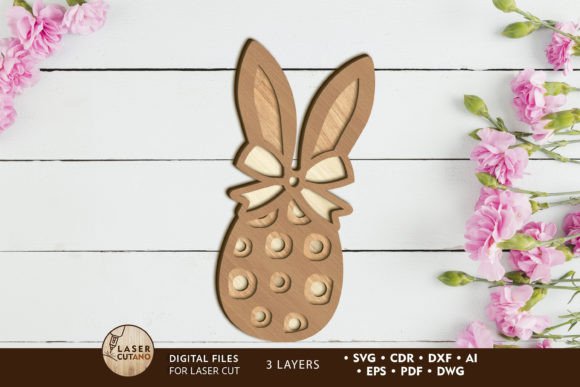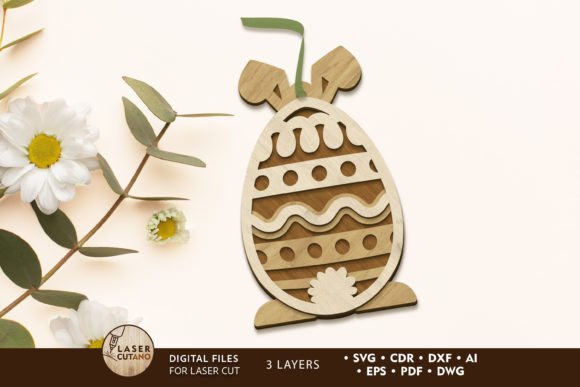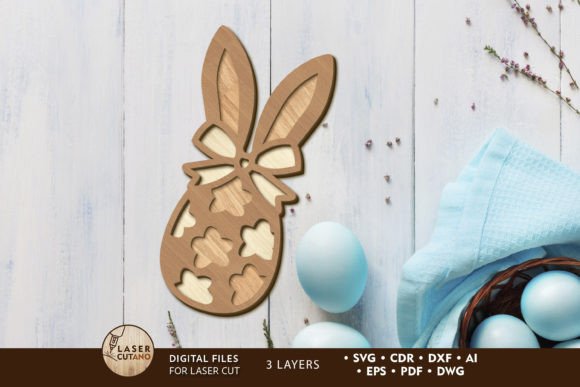
Easter Bunny Egg, Decorative Cut File Review
I have spent years reviewing digital assets for the embroidery industry, and I have learned that a design's true character is revealed not in its preview image, but when it hits the fabric under the needle. Today, I am putting Easter Bunny Egg, Decorative Cut File to the test. While the product description highlights its roots as a digital multilayer laser cut file prepared for CNC routers and cutting machines, there is a fascinating crossover potential here for the modern maker who understands how visual layers translate into stitched texture.
My first impression of Easter Bunny Egg, Decorative Cut File is one of playful elegance. The concept of an egg decorated with bunny motifs creates an immediate springtime mood that feels both nostalgic and fresh. Unlike generic floral patterns that clutter a design, this piece offers a clear focal point. It possesses a specific visual personality that screams "handmade boutique." For an embroidery designer looking to add value to a custom apparel line or a personalized gift collection, this shape provides a solid foundation. It does not feel like a clip-art afterthought; it feels like a centerpiece waiting to be brought to life with thread.
Real-World Application: From Digital Blueprint to Stitched Reality
To truly understand the utility of this design, I imagined a real-life scenario involving a small business owner preparing inventory for the upcoming holiday season. Let us say she is creating a limited run of custom embroidered tote bags for a local craft fair. She needs something that stands out on a busy table but remains versatile enough for various customers. This is where Easter Bunny Egg, Decorative Cut File shines.
When I visualize this design applied to a canvas tote bag, the layered nature of the original cut file suggests a dynamic approach to stitching. A savvy embroiderer might use the outer shell for a bold satin stitch border while filling the interior with a softer fill stitch to mimic the smoothness of an eggshell. The result would be a tactile, high-end look that elevates a simple canvas bag into a premium handmade product. Customers browsing an Etsy listing would immediately recognize the quality. The design acts as a trust signal, suggesting that the seller has put thought into every detail of their finished product.
The versatility extends beyond bags. Imagine this motif embroidered on a baby onesie or a nursery pillow cover. The rounded shapes are inherently safe and friendly, making them perfect for baby embroidery. However, the success of the project relies heavily on execution. If the design is too dense, it could create a stiff patch on a soft cotton onesie. But if the stitch density is managed correctly, it becomes a cherished keepsake. The same logic applies to a sweatshirt embroidery project. Placing Easter Bunny Egg, Decorative Cut File on the chest of a fleece hoodie creates a cozy, festive accent that feels professional rather than amateurish.
Navigating Fabric Challenges and Limitations
As an experienced reviewer, I must be honest about where this design requires caution. Not every surface is suitable for every motif. The intricate details often found in decorative cut files can become problematic when translated to very small hoop sizes. If you attempt to stitch this on a cap or a hat, the curvature of the fabric can distort the geometry of the egg shape unless the design is specifically adapted for curved surfaces. Furthermore, textured fabrics like heavy denim or bouclé wool can hide the fine lines of the design, reducing its visual impact.
Thin or stretchy fabrics present another hurdle. Without proper stabilization, the tension required for a clean satin stitch outline could cause puckering, ruining the crisp look of the Easter Bunny Egg, Decorative Cut File. In these cases, using a high-quality stabilizer is non-negotiable. Additionally, dark fabrics require careful consideration of thread colors. A light-colored egg design might get lost against black fabric unless you utilize a contrasting underlay or a bold color palette. For commercial embroidery projects where consistency is key, testing on scrap fabric is the only way to ensure the final output meets your brand standards.
Strategic Design Choices for Maximum Impact
The decision to use Easter Bunny Egg, Decorative Cut File goes beyond aesthetics; it is a strategic move for any creative entrepreneur. When used effectively, the design enhances the perceived value of your items. A well-executed embroidery project tells a story of care and craftsmanship. Buyers are willing to pay more for items that look polished and intentional. By integrating this design into your workflow, you are not just selling a bag or a shirt; you are selling a piece of seasonal art.
Consider the potential for personalized gifts. The egg shape offers a natural space for adding names or dates within the center or along the curve. This transforms a standard holiday decoration into a unique item that customers cannot find in big-box stores. For an Etsy seller, this level of customization is a powerful differentiator. It also opens doors for apparel decorators looking to expand their catalog with seasonal collections. Whether you are producing holiday embroidery for corporate gifts or creating small shop products for a boutique, this design asset fits seamlessly into a cohesive branding strategy.
It is important to note that while the product originates from the Laser Cutting category and is associated with Spring Amp themes, its application in machine embroidery requires a shift in mindset. You are no longer cutting paper or wood; you are building texture with thread. The applique design technique could be particularly effective here, allowing you to layer different colored fabrics to achieve depth that a single-color stitch cannot replicate. This adds a dimension of luxury to your work.
Practical Notes for the Professional Designer
Before you commit this design to a production run, there are several critical steps to take. First, always test the design on scrap fabric that matches the weight and texture of your final material. This will reveal how the stitch density interacts with the weave of the cloth. Second, review the file structure carefully. Since the source mentions it is a digital multilayer file, check if the layers can be separated to allow for varied fill stitch techniques or applique placement.
Confirm your hoop size capabilities early. Ensure your machine can handle the dimensions without cutting off essential details. Inspect small corners and curves for potential errors that might cause thread breaks during a long run. If you plan to sell finished items, verify the licensing terms explicitly. Some digital embroidery files restrict commercial use, and violating these terms can lead to serious legal issues for your craft business.
Finally, do not rely solely on screen previews. Create a printable mockup or a physical sample to see how the colors interact in natural light. Compare the design on both light and dark backgrounds to ensure it maintains its clarity. By following these practical steps, you ensure that Easter Bunny Egg, Decorative Cut File delivers the professional results your clients expect. In the world of handmade goods, attention to detail is everything, and this design offers a wonderful opportunity to showcase your skills while delighting customers with festive charm.