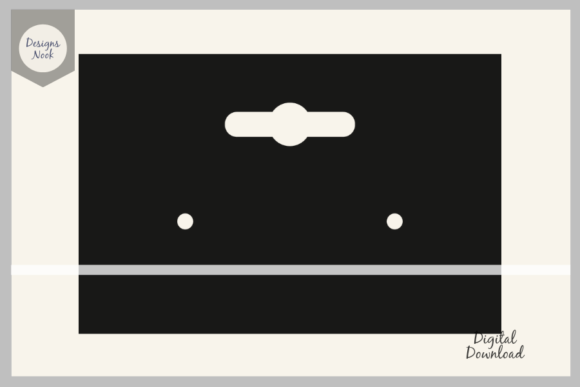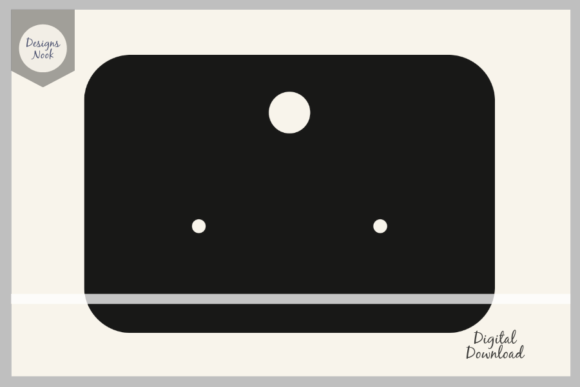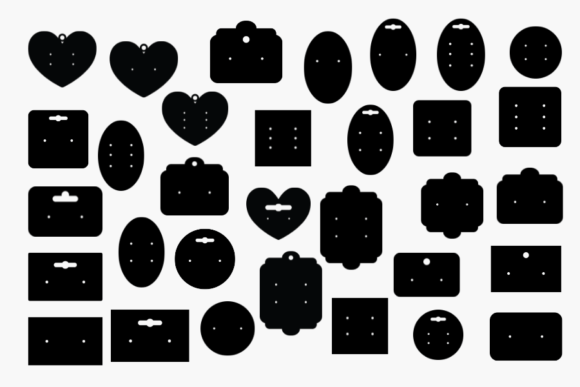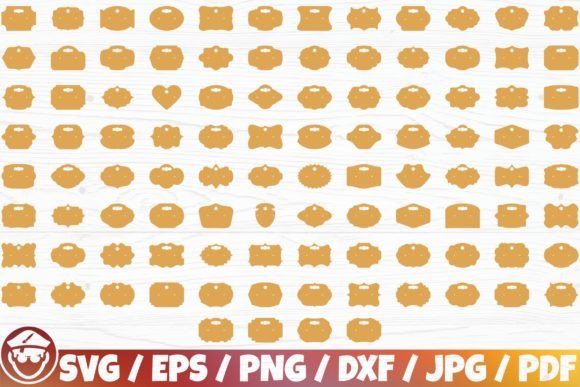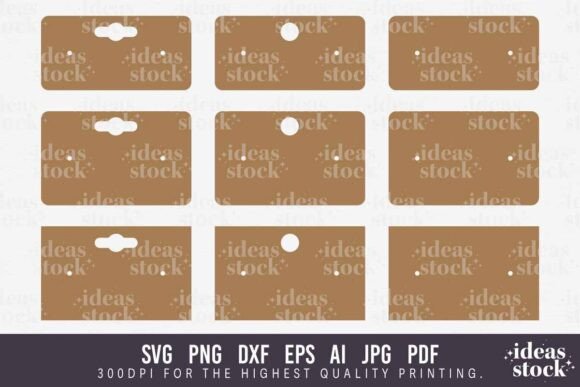
Earring Display Cards Template. Cricut.
As a designer who spends more time than I care to admit staring at stitch counts and fabric swatches, I don’t just look for pretty images; I look for viability. When I received the Earring Display Cards Template. Cricut. from ideasStock Shop, my first instinct was to evaluate it not just as a graphic, but as a potential asset for real-world embroidery projects. The product description promises a digital download containing nine designs in high-resolution PNG format and one SVG file, positioned within the Crafts and Graphics categories. But does this translate well into a physical, stitched reality? After running some mental simulations—and actual scrap fabric tests—I’m ready to break down how this design holds up under the needle.
First Impressions: Visual Personality and Layout
The immediate mood of the Earring Display Cards Template. Cricut. is clean, modern, and highly commercial. In the world of handmade accessories, presentation is everything. This design doesn’t scream for attention with chaotic patterns; instead, it offers a structured, elegant framework that allows the featured jewelry—or the branding—to take center stage. The layout feels balanced, suggesting that when translated into an embroidery project, it will provide a professional backdrop rather than competing with the main subject.
For designers, the visual personality here is versatile. It works beautifully for boutique branding, where consistency matters. Whether you are creating a custom apparel line or preparing personalized gifts, the aesthetic suggests a level of sophistication that appeals to buyers looking for quality. The fact that it comes as a digital embroidery file compatible with machines like Cricut and Silhouette means you have flexibility in how you approach the production, whether through sublimation printing on cards or direct stitching onto fabric tags.
Real-World Application: From Screen to Stitch
Let’s talk about where this design truly shines. Imagine you are an Etsy seller preparing a batch of holiday gifts. You aren’t just selling earrings; you are selling an experience. Using the Earring Display Cards Template. Cricut. as a base for embroidered hangtags or display cards can elevate a simple transaction into a memorable unboxing moment. The design’s structure lends itself perfectly to handmade product presentations, adding a touch of luxury that customers often associate with higher price points.
Beyond jewelry displays, this template has surprising utility in other areas. Consider its application on a tote bag design. By scaling the element appropriately, you could create a minimalist, branded patch for a canvas tote. Or, perhaps more interestingly, use it as a decorative accent on a sweatshirt embroidery project, placed subtly near the hem or cuff. The design’s clean lines ensure that it remains legible and stylish even when reduced in size or adapted for different garment placements.
I also see strong potential in the nursery decor space. A softened version of this design, stitched onto a baby blanket or a muslin burp cloth, could serve as a charming baby embroidery accent. The geometric or stylized nature of many display card templates translates well to soft fabrics, provided the stitch density is managed correctly. It adds a layer of intentional design that separates mass-produced items from small shop products.
Where Caution Is Required
No design is perfect for every scenario, and being honest about limitations is part of responsible design advice. The Earring Display Cards Template. Cricut. should be used carefully in specific contexts. If you plan to stitch this onto small hoop sizes, pay close attention to the fine details. Tiny elements can become muddy if the stitch density is too high or if the thread tension isn’t perfectly calibrated.
Fabric choice is critical. Textured fabrics, such as heavy tweeds or loose-weave linens, can distort the crisp lines of the template. Thin or stretchy fabrics may pucker if not stabilized properly. For curved surfaces like caps or hats, the flat geometry of a display card might not conform naturally without significant digitizing adjustments. Additionally, if your design includes tiny lettering or intricate corners, test these areas thoroughly. Dense stitch areas can lead to bulkiness, which might be undesirable for lightweight garments or delicate accessories.
Dark fabrics present another challenge. While the design looks striking on white or light backgrounds in mockups, achieving sufficient contrast with thread colors on dark materials requires careful planning. You may need to add a backing or use lighter thread tones to ensure the design pops without overwhelming the garment.
Practical Designer Notes for Success
To get the most out of this machine embroidery design, follow these practical steps before committing to your final piece:
- Test on Scrap Fabric: Always run a test stitch-out on the same type of fabric you intend to use. This helps you gauge how the fabric texture interacts with the stitch pattern.
- Check Thread Color Contrast: Compare your chosen thread colors against the fabric in natural light. What looks good on a screen might disappear in person.
- Review Stitch Density: Ensure the stitch density is appropriate for the fabric weight. Too much density can cause puckering; too little can look sparse.
- Confirm Hoop Size: Verify that the design fits comfortably within your machine’s hoop size constraints, leaving enough margin for trimming and finishing.
- Inspect Small Details: Zoom in on the design file. Are there any overly thin lines or isolated dots that might not stitch reliably?
- Use Proper Stabilizer: The right stabilizer is non-negotiable. For woven fabrics, a cut-away stabilizer often provides the best support for lasting results.
- Test in Black and White: View the design in grayscale to check its structural integrity and balance without the distraction of color.
- Compare Light and Dark Backgrounds: See how the design performs on both ends of the spectrum to understand its versatility.
- Check Licensing: Before selling finished items or using this as a design asset for clients, confirm the licensing terms. Ensure you have the rights for commercial use, especially if you are reselling the finished product.
Final Verdict
The Earring Display Cards Template. Cricut. is a solid addition to any craft business toolkit. It offers a professional, polished look that enhances the perceived value of personalized gifts and commercial embroidery projects. Its adaptability across various mediums—from printable mockups to actual stitched accents—makes it a valuable resource for creative entrepreneurs and makers alike.
While it requires thoughtful execution regarding fabric choice and stitch settings, the payoff is a refined, cohesive brand identity that resonates with customers. Whether you are designing for a holiday gift market, expanding your Etsy listings, or simply adding a personal touch to your own wardrobe, this template provides a reliable foundation for success. Just remember: the best designs are those that are tested, trusted, and tailored to the specific needs of your project.