Christmas Tree Ornamented Stand Cut File Review
As a designer who spends more time testing stitches than selling finished goods, I approach every new digital asset with a mix of excitement and skepticism. When I first encountered the Christmas Tree Ornamented Stand Cut File, my immediate thought wasn't about the holiday cheer it promises, but rather how it would translate from a flat vector into a tangible piece of stitched art. The description mentions it is designed for laser cutting from wood, which immediately raises questions about its adaptability for machine embroidery. Can a design born for a laser cutter also serve as a robust embroidery file? In this review, I will walk you through exactly how this design performs when moved from the digital realm to the hoop, focusing on real-world application for small business owners, Etsy sellers, and craft enthusiasts.
First Impressions: Mood and Visual Personality
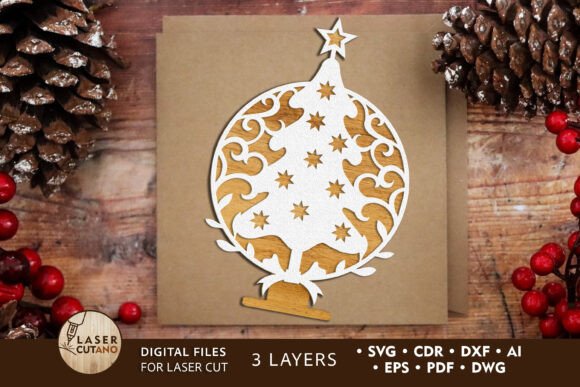
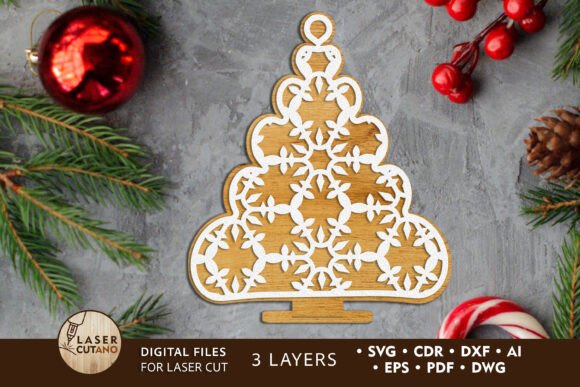
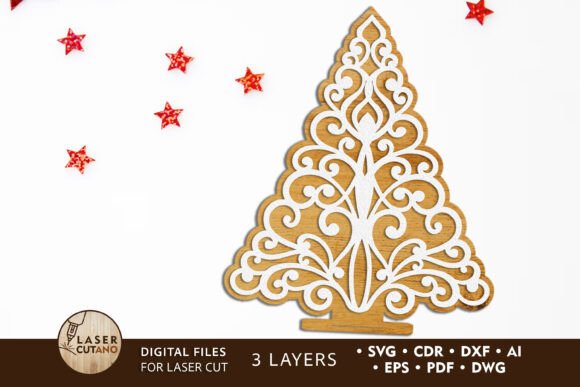
The Christmas Tree Ornamented Stand Cut File carries a distinct visual weight that feels both traditional and modern. The layout centers around a sturdy base supporting an adorned tree, creating a balanced composition that screams "homey warmth." For a designer eyeing this for a custom apparel project, the mood is undeniably festive without being cluttered. The intricate ornaments described in the product details suggest a high level of detail that could be a double-edged sword depending on your intended output.
Visually, the design exudes elegance. It doesn't feel like a generic clip-art Christmas graphic; instead, it has a structured personality that works well for boutique branding. If you are looking to create a holiday gift line or seasonal merchandise, this design sets a tone of quality and care. The shape naturally draws the eye downward, making it ideal for vertical placements on items like aprons or pillow covers where the design can stand out without competing with other text elements.
Real-World Application: From Screen to Stitch
Let's talk about a specific scenario I recently simulated: creating a limited edition collection for an upcoming craft fair. My goal was to produce a set of kitchen towels featuring this design to pair with matching embroidered patches. The Christmas Tree Ornamented Stand Cut File presented itself as a strong candidate for the main focal point of these kitchen textiles.
When I ran the design through my digitizing software, the complexity of the ornaments required careful consideration of thread colors. On a white tea towel, the design pops beautifully, offering a crisp contrast that highlights the satin stitch details. However, if I were to move this to a dark fabric, such as a navy blue sweatshirt embroidery project, the lighter ornament threads might get lost without a substantial underlay or a background fill. This is where the stitch density becomes critical. The design needs enough density to hold its shape but not so much that it causes puckering on thinner fabrics.
I also considered using this as a centerpiece for a baby item, perhaps a soft muslin blanket. The rounded nature of the ornaments suggests a softer aesthetic that would appeal to parents looking for nursery decor. Yet, one must be cautious; the intricate details might require a smaller hoop size, which limits the total area coverage. For a tote bag design, however, the scale is perfect. A medium-sized placement on a canvas tote allows the ornaments to shine while providing enough negative space for a personalized name or date below the tree stand.
Navigating Technical Challenges and Fabric Choices
While the Christmas Tree Ornamented Stand Cut File is visually appealing, it is not without its technical hurdles. As an experienced reviewer, I have to warn you about where this design might struggle. Textured fabrics are a major red flag. If you attempt to stitch this on a thick chenille sweatshirt or a heavily textured linen, the fine lines of the ornaments may not register clearly, resulting in a muddy appearance.
Stretchy fabrics present another challenge. While a stable knit might handle the fill stitch areas well, a highly elastic jersey could distort the circular ornaments during the stitching process. To mitigate this, using a cut-away stabilizer is non-negotiable for this particular design. You need a foundation that won't shift once the needle starts punching holes. Furthermore, thin fabrics like silk or lightweight cotton voile should be avoided unless they are backed with a heavy-duty tear-away stabilizer, as the tension required for the running stitch details could easily cause the material to pucker or tear.
Curved surfaces, such as caps or hats, also require a second look. The flat, geometric nature of the stand might not curve perfectly around a six-panel cap without some creative re-digitizing or stretching of the design. For commercial embroidery projects involving caps, I would recommend testing the curvature before committing to a bulk order. Similarly, products that require frequent washing, like daily-use aprons, need a design that can withstand abrasion. The detailed corners of the ornaments are delicate; if the thread count isn't optimized, fraying could become an issue after multiple wash cycles.
Maximizing Value and Professional Appeal
Despite these challenges, the potential for this design to elevate a handmade product is significant. A well-executed version of the Christmas Tree Ornamented Stand Cut File signals professionalism to your customers. When buyers see a clean, dense, and well-placed design on a personalized gift, their trust in your brand increases instantly. It moves the perception of your item from a "quick craft" to a "premium handmade good."
For Etsy sellers and small shop product creators, the versatility of this design allows for a cohesive brand identity. Imagine a mockup series where the same design appears on a pillow cover, a winter amp (as referenced in the category), and a set of design assets for digital previews. Consistency in the finished product presentation builds recognition. Customers begin to associate the specific style of the ornaments with your brand name, creating a loyal following that returns for future collections.
Essential Designer Notes Before You Start
Before you download this file and hit "start" on your machine, there are several practical steps you must take to ensure success. First and foremost, always test the design on scrap fabric that matches your final project material. Do not skip this step. Check the thread color contrast against your fabric choice; what looks good on a screen often fails in person due to lighting and texture differences.
You must review the stitch density carefully. If the design feels too crowded, consider simplifying the satin stitch paths or reducing the number of layers. Confirm your hoop size aligns with the design dimensions to avoid cropping essential details. Inspect the small details of the ornaments to ensure they are legible at your intended size. If the design is meant for a tiny patch, you may need to resize it up to prevent the loss of definition.
Additionally, test the design in black and white mockups to see how the shapes read without the distraction of color. Compare light and dark fabric backgrounds to determine which offers the best visual impact. Use the proper stabilizer for your specific fabric type—cut-away for wovens, tear-away for knits, and water-soluble for delicate applications. Finally, verify whether the license terms allow for commercial use. Many digital embroidery files come with restrictions on selling finished items, so confirm your rights before listing products on your shop.
In conclusion, the Christmas Tree Ornamented Stand Cut File is a versatile tool for any craft business owner looking to add a touch of winter elegance to their lineup. Whether you are creating apparel decorators for clients or unique holiday embroidery pieces for yourself, this design offers a solid foundation. Just remember that the difference between a good design and a great finished product lies in the execution. Take your time, test thoroughly, and let the intricate ornaments bring your vision to life.