Christmas Tree Decorative Ornament File
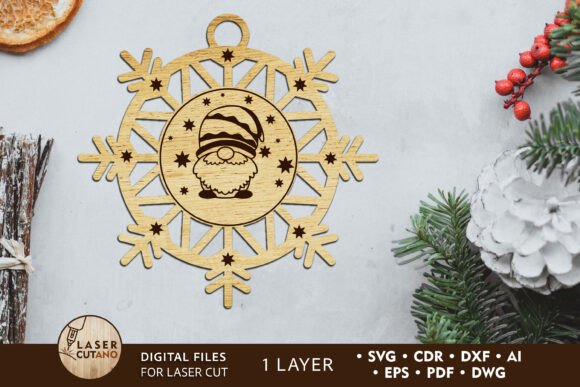
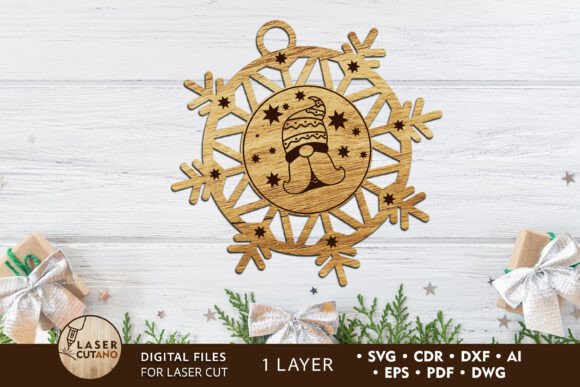
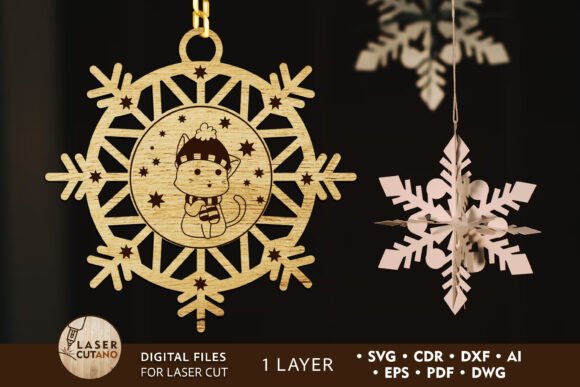
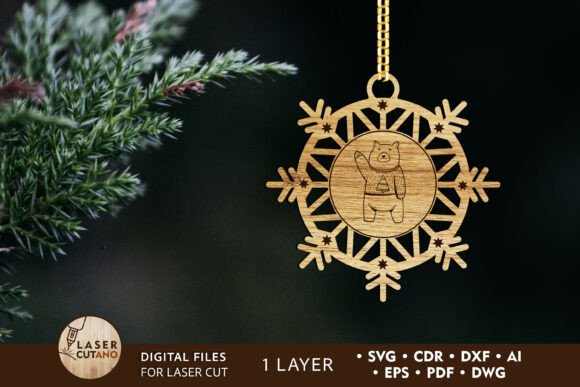
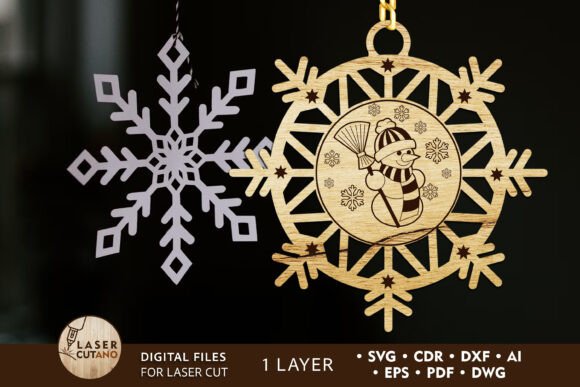
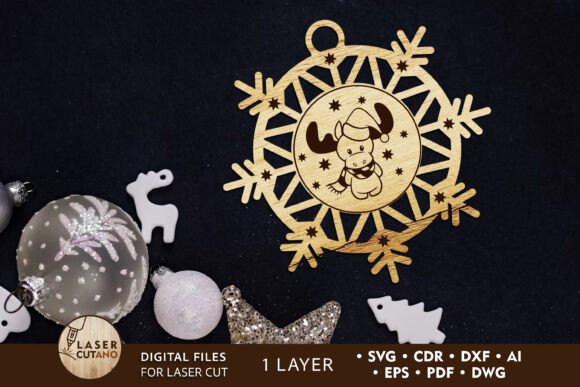
When I first opened the package for the Christmas Tree Decorative Ornament File, I wasn't just looking at a digital image; I was visualizing the finished product hanging on a branch. As a designer who has stitched thousands of designs, my first impression is one of immediate holiday warmth. The file presents a charming and festive snowflake ornament that captures the delicate balance between intricate detail and wearable simplicity. It creates an instant mood of winter magic, making it feel less like a generic clipart and more like a bespoke piece intended for someone special.
The design's personality shines through in its layout. It feels organic yet structured, perfect for projects where you want to add a touch of elegance without overwhelming the garment or accessory. For an embroidery designer, this is exactly the kind of asset you want in your library: versatile enough for a quick custom gift but detailed enough to justify a higher price point for a boutique client. It naturally belongs in any project that screams "handmade with care," from nursery decor to personalized holiday gifts.
Real-World Application: From Screen to Stitch
I recently put this design to the test while preparing a batch of custom embroidered tote bags for a local holiday market. My goal was to create a limited-run collection for Etsy sellers and craft fair attendees who wanted something unique. The Christmas Tree Decorative Ornament File proved to be an excellent choice for this application. When stitched onto a sturdy canvas tote, the design didn't just sit on top; it became part of the fabric's character.
However, the true value of this file lies in how it translates across different mediums. Imagine taking this same design and applying it to a soft cotton sweatshirt for a family matching set. The way the design handles the transition between fill stitches and satin edges determines whether it looks professional or amateurish. In my experience, this file performs exceptionally well on medium-weight fabrics like denim, twill, and heavy cotton blends. It brings out the texture of the material, turning a plain apron into a statement piece for a holiday cooking class.
For small business owners, the versatility is key. You can use this as a standalone motif on a pillow cover, or perhaps as part of a larger arrangement on a kitchen towel. The design assets are robust enough to support both personal and commercial embroidery projects, provided you understand the limitations of the stitch density. It is a strong contender for creating high-margin items like embroidered patches or caps, where the shape of the ornament fits perfectly within the curved surface of a hat front.
Navigating Fabric Challenges and Hoop Sizes
While the design is beautiful, practical experience teaches us that not every surface is created equal. There are specific scenarios where you must exercise caution with the Christmas Tree Decorative Ornament File. If you are working with thin fabrics or highly textured materials like bouclé wool, the stability of the design might be compromised. Thin fabrics often require extra stabilizer to prevent puckering, which can distort the delicate corners of the snowflake pattern.
Stretchy fabrics present another hurdle. When stitching on jersey or knit materials, the tension of the machine can cause the design to shift or stretch out of alignment. In these cases, using a cut-away stabilizer is non-negotiable to maintain the integrity of the embroidery file. Similarly, if you are attempting this on dark fabric, thread color contrast becomes a critical factor. A light-colored snowflake might get lost against a navy background unless you choose high-quality, dense threads or adjust the underlay settings.
Hoop size is another consideration that affects the final look. While this design is adaptable, very small hoop sizes can sometimes struggle with the finer details of the ornament. If you are aiming for a tiny patch or a miniature baby item, ensure the machine can handle the resolution without losing definition. Detailed corners and tiny lettering (if included) require precision. If the design includes complex fill areas, dense stitch regions can make the fabric stiff, which might not be ideal for products that need to remain soft and pliable, such as baby clothes or comfortable loungewear.
Visual Appeal and Customer Perception
In the world of handmade products, visual appeal directly correlates to customer trust and perceived value. A well-executed machine embroidery design signals professionalism. When a buyer sees a crisp, clean Christmas Tree Decorative Ornament File on a finished product, they immediately recognize the effort put into the creation. This attention to detail elevates a simple item into a premium gift.
The design enhances brand consistency for shops selling holiday merchandise. Whether it is used in a printable mockup for an online listing or as a physical sample at a craft fair, the clarity of the stitching speaks volumes. Customers are drawn to items that show thoughtfulness in their construction. The ornament's festive theme ensures high recognition during the holiday season, making it a reliable choice for seasonal collections. It transforms a standard product into a memorable keepsake, increasing the likelihood of repeat business and positive reviews.
For designers selling digital files or offering customization services, the ability to preview this design effectively is crucial. Using black and white mockups can help you gauge the contrast before committing to actual stitching. Comparing light and dark fabric backgrounds allows you to recommend the best options to your clients, ensuring the final result meets their expectations.
Essential Designer Notes for Success
Before you rush to start your next embroidery project, there are several practical steps to take to ensure success. First and foremost, always test the design on scrap fabric. This simple step reveals how the thread colors interact with the specific texture of your chosen material. Check the stitch density carefully; if the design is too dense, it may pucker the fabric, but if it is too sparse, it might lack coverage.
Confirm your hoop size and stabilizer choices early in the process. Using the proper stabilizer is vital for maintaining the shape of the ornament, especially if you are working with layered garments or curved surfaces like caps. Inspect small details closely after stitching to ensure no threads have broken or skipped. Reviewing the design in black and white mockups can also provide insight into the overall composition before you invest time and thread.
If you plan to sell finished items featuring the Christmas Tree Decorative Ornament File, verify the licensing terms. Not all digital products allow for commercial resale, and understanding the rules protects your craft business. Additionally, consider the washability of the final product. Designs with dense stitch areas or decorative accents may require gentle washing cycles to preserve their appearance over time.
Ultimately, the Christmas Tree Decorative Ornament File is a versatile tool for any creative entrepreneur. Whether you are an Etsy seller looking to boost your holiday sales, a hobbyist making gifts for loved ones, or a professional decorator expanding your portfolio, this design offers a solid foundation for creating stunning handmade products. By paying attention to fabric selection, stabilizer usage, and thread contrast, you can turn this digital asset into a tangible work of art that delights customers and strengthens your brand.
Remember, the difference between a good design and a great finished product often comes down to the preparation. Take the time to understand the nuances of the applique design elements, if applicable, and experiment with different thread colors to find the perfect palette for your vision. With careful planning and execution, this ornament file will become a staple in your repertoire for years to come.